Video Case Studies vs Written: Which Wins
Table of Contents
Two Formats, Different Strengths
Written case studies have been a B2B marketing staple for decades. They're SEO-friendly, easy to skim, and cheap to produce. Video case studies are the newer format - more engaging, more emotional, and more persuasive, but also more expensive and harder to scale.
The question isn't really "which is better" - it's "when does each format maximize impact?" Because the answer depends on your buyer's stage in the journey, the complexity of the story, and how you plan to distribute the content.
What the Data Says
The research consistently shows that video case studies outperform written ones on engagement metrics, while written case studies still win on searchability and detailed reference:
| METRIC | VIDEO CASE STUDY | WRITTEN CASE STUDY |
|---|---|---|
| Average time on page | 4-6 minutes | 2-3 minutes |
| Completion rate | 55-70% | 15-25% read fully |
| Social shares | 3-5x more | Baseline |
| Sales team usage | Used in 65% of deals | Used in 80% of deals |
| SEO value | Low (video pages rank poorly) | High (long-form text ranks well) |
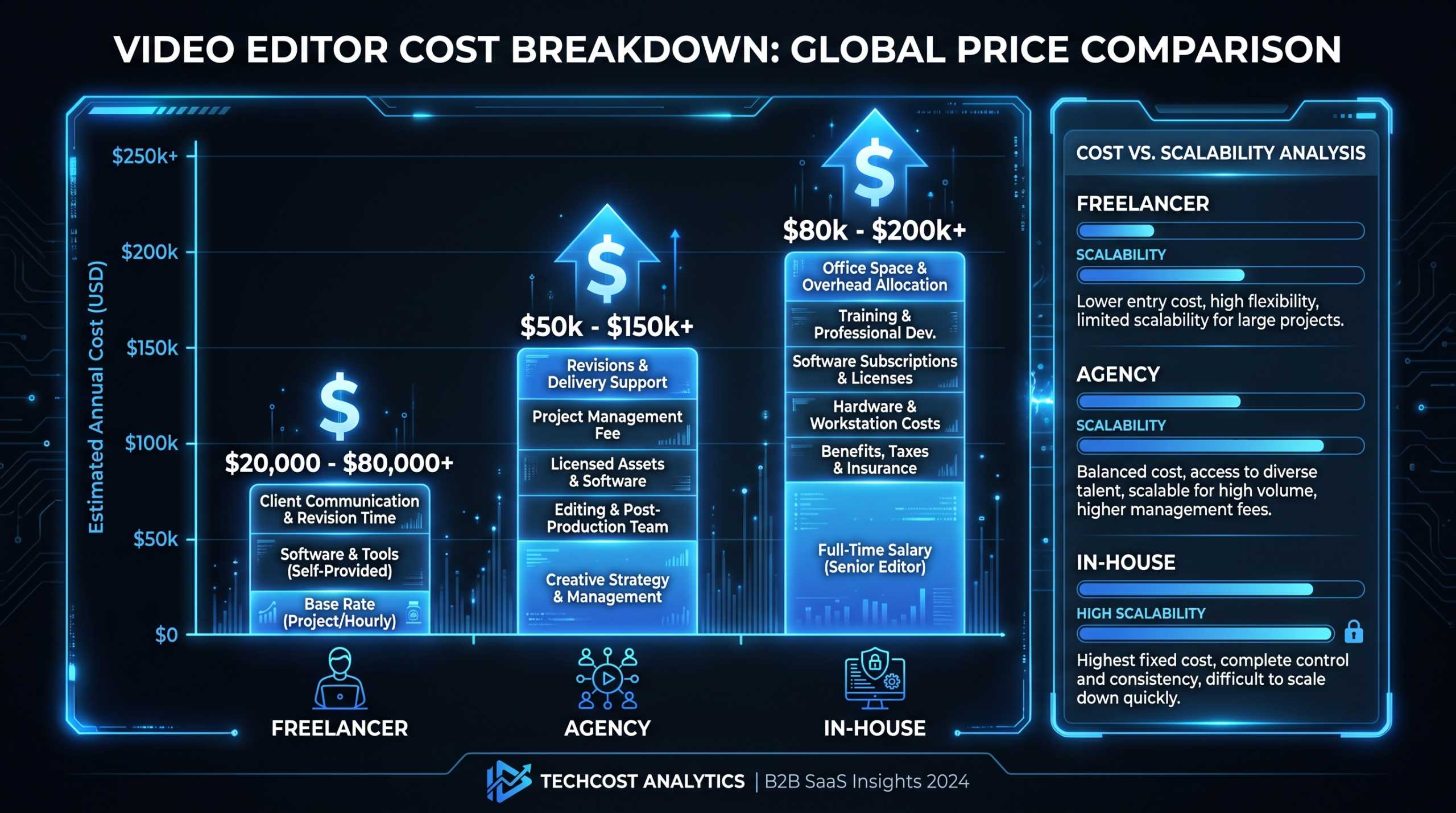
| Production cost | $3,000-15,000 per story | $500-2,000 per story |
| Emotional impact | High (faces, voices, emotion) | Low-medium (data, quotes) |
| Detail depth | Medium (time-limited) | High (unlimited space) |
| Buyer trust impact | Very high | High |
When Video Case Studies Win
Emotional stories with transformation
When the customer's story involves a dramatic before/after - "we were losing $500K/month to inefficiency and now we're not" - video captures the emotion of that transformation in a way text cannot. Seeing the customer's face light up when describing results is viscerally persuasive.
Complex products that need visual proof
If your product's impact is visual (design tools, analytics dashboards, workflow automation), showing the actual product in use within the customer's environment is far more convincing than describing it in text. The customer narrating while their screen shows real results is the gold standard.
Building trust with skeptical buyers
Enterprise buyers, especially in regulated industries, are inherently skeptical of vendor claims. Seeing and hearing a real person from a recognizable company endorse your product carries more weight than reading a written quote - even if the words are identical. Video is harder to fake, and buyers know this.
Social media distribution
Video case studies generate 3-5x more engagement on LinkedIn, Twitter, and YouTube than written case study links. A 60-second highlight clip from a video case study is one of the highest-performing organic post formats for B2B companies on LinkedIn.
Sales presentations
When an SDR or AE shares a case study during a sales call, a 2-minute video clip is more impactful than saying "let me send you a PDF." The video can play during the call, with the sales rep pausing at key moments to connect the customer's story to the prospect's situation.
When Written Case Studies Win
SEO and organic search
Written case studies rank on Google. Video case studies don't (not directly). If your case study targets a keyword like "CRM implementation case study" or "[industry] [product category] results," the written version will drive organic traffic. Embed the video within the written page for the best of both worlds.
Detailed technical specifications
When buyers need implementation details, integration specifics, timeline breakdowns, and exact metrics, written format allows for the depth that video can't match in a reasonable runtime. A 3-minute video can't cover the same detail as a 2,000-word case study - and it shouldn't try.
Sales leave-behind collateral
After a sales meeting, prospects often need a document to circulate internally. A well-formatted PDF case study travels through email chains and Slack threads more easily than a video link. Written case studies also work in proposals and RFP responses where video isn't practical.
Budget constraints
Written case studies cost $500-2,000 each. Video case studies cost $3,000-15,000 each. If you have 20 customer stories to tell but a $15,000 budget, you can produce 10-20 written case studies or 1-3 video case studies. Start with written, then video-ify your top performers.
The Hybrid Approach (Recommended)
The most effective case study strategy combines both formats. Here's how:
The case study production pipeline
- Interview the customer on video. Always record the interview, even if you initially plan a written case study. Raw footage is a future asset.
- Produce the written version first. Write a detailed case study with metrics, implementation details, and pull quotes.
- Edit the video version second. Create a 2-4 minute video case study from the interview footage. Use the written version's structure as your narrative backbone.
- Create derivative clips. Cut 3-5 social clips (30-60 seconds each) from the video for LinkedIn, Twitter, and ads.
- Combine on one page. Publish the video at the top of the page, written content below. This gives you SEO (text) + engagement (video) + flexibility (viewers choose their preferred format).
Content pyramid
Video Case Study Production
A good video case study requires planning. Here's the production framework:
Pre-production
- Customer selection: Choose customers who are articulate on camera, represent your ICP, and have measurable results. Not every happy customer makes a good video subject.
- Interview prep: Send questions in advance so the customer can prepare specific data points. Don't script their answers - coached-sounding testimonials are transparent and damaging.
- B-roll planning: Identify what supplementary footage you need: product screenshots, office environments, team collaboration shots, data dashboards showing results.
Use our B2B video brief template to organize every element of your case study production.
Interview framework (8 questions)
- What was the challenge that led you to look for a solution?
- What was the impact of that challenge on your team/business?
- What alternatives did you consider before choosing us?
- What made you choose [Product] over alternatives?
- Walk me through how you use [Product] in your day-to-day.
- What specific results have you seen? (Get numbers.)
- What was the "aha moment" when you knew this was working?
- What would you say to someone considering [Product]?
Post-production structure
Edit the video into this narrative arc:
- 0:00-0:30 - Hook: Customer states the result or transformation ("We cut our reporting time from 8 hours to 20 minutes")
- 0:30-1:30 - Problem: Customer describes the challenge and its business impact
- 1:30-2:30 - Solution: How they use the product (with screen recordings or B-roll)
- 2:30-3:30 - Results: Specific metrics and business outcomes
- 3:30-4:00 - Endorsement: Customer's recommendation + CTA
Distribution Strategy
| CHANNEL | FORMAT | PURPOSE |
|---|---|---|
| Website | Full video + written | SEO + conversion |
| 60-sec highlight clip | Awareness + social proof | |
| YouTube | Full video (2-4 min) | SEO + long-term discovery |
| Sales emails | Video thumbnail + link | Deal acceleration |
| Paid ads | 15-30 sec clips | Retargeting social proof |
| Webinars/events | 60-sec clip during presentations | Live social proof |
| Proposals | Written PDF + video link | Decision support |
Ready to Level Up Your Video Strategy?
Talk to our team about your video production needs. No commitment required.
Book a Free Strategy Call See PricingFrequently Asked Questions
How much does a video case study cost?
Professional video case studies typically cost $3,000-15,000 depending on production quality, location, and editing complexity. Remote interviews (Zoom/Riverside) with professional editing run $3,000-5,000. On-site shoots with B-roll and motion graphics run $8,000-15,000.
How do I convince customers to participate in a video case study?
Offer value: co-marketing exposure, a premium gift, or a service credit. Make it easy: 30-minute Zoom interview, minimal prep required. Address concerns: offer quote approval rights and final video review before publication.
How many case studies do I need?
One per major industry vertical and one per primary use case. For most B2B SaaS companies, that's 8-15 written case studies and 3-5 video case studies. Prioritize video for your most common sales objection scenarios.
Should I gate video case studies?
Generally no. Case studies are social proof - they should be as frictionless as possible to consume. However, you can gate the detailed written version while keeping the video ungated, creating a natural upgrade path from video viewer to identified lead.
What if my customer won't share specific numbers?
Use directional language: 'more than doubled,' 'cut by over half,' 'significant improvement in.' Some customers will share exact numbers off-camera that you can include as text overlays or graphics without attributing them directly.
B2B Video Brief Template
Plan your video case studies with our comprehensive brief template. Includes interview questions, shot lists, and story frameworks.
Download Free