LinkedIn Video for B2B SaaS: What's Working in 2026
If you're running marketing at a B2B SaaS company, LinkedIn video for B2B SaaS isn't optional anymore — it's the single highest-leverage content format on the platform. In 2026, LinkedIn's algorithm continues to heavily reward native video, and the data proves it: video posts generate 2–5× the engagement of text-only content, and 80% of B2B leads sourced from social media originate on LinkedIn. The SaaS companies winning on LinkedIn right now have one thing in common — they treat video as a strategic growth channel, not an afterthought.
But here's the problem: most B2B SaaS marketing teams are still approaching LinkedIn video the same way they did in 2023. Talking-head clips with no hook. Product walkthroughs that nobody asked for. Recycled webinar recordings dropped into the feed with a generic caption. The LinkedIn algorithm has evolved dramatically since then, and what used to work doesn't anymore.
This guide breaks down exactly what's working for LinkedIn video B2B SaaS teams in 2026 — from format selection and optimal lengths to engagement benchmarks, production workflows, and the content frameworks that are driving real pipeline. Whether you're a Head of Marketing at a Series A startup or a content strategist at a growth-stage SaaS company, this is the playbook you need.
Why LinkedIn Video Matters More Than Ever for B2B SaaS
Let's start with the landscape. LinkedIn surpassed 1 billion members in late 2024 and has continued growing. More importantly for SaaS marketers, the platform's B2B buyer concentration is unmatched — you're not competing with cat videos and vacation photos for attention. The people scrolling LinkedIn are professionals, many of whom are actively evaluating software solutions.
Here's what the 2026 data tells us:
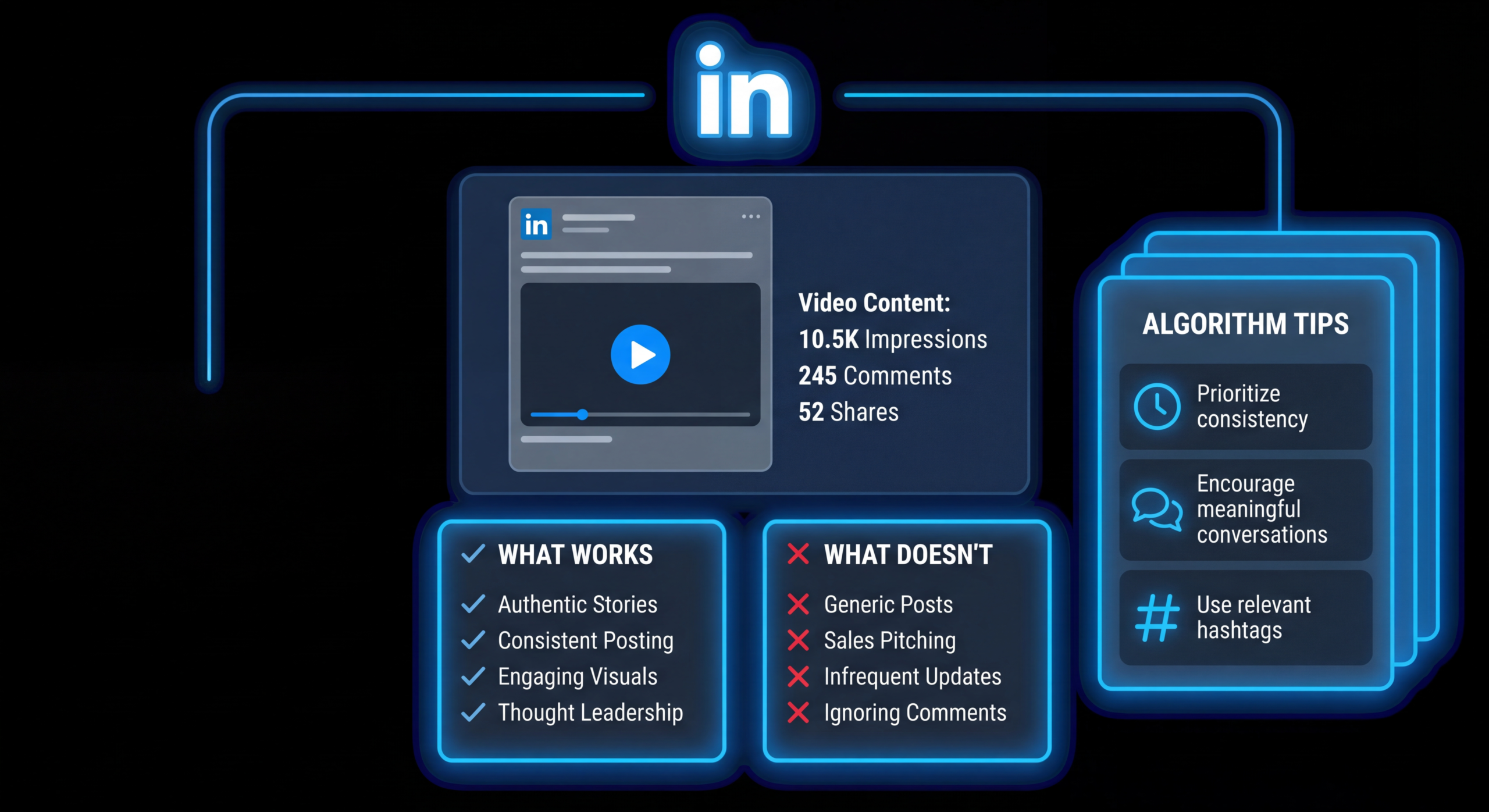
- Video posts get 5× more engagement than text-only posts on LinkedIn, according to LinkedIn's own B2B marketing benchmarks.
- Native video outperforms linked video by 10× in terms of impressions. YouTube links are algorithmically suppressed.
- 80% of B2B social leads come from LinkedIn — more than X, Facebook, and Instagram combined.
- Decision-makers spend 33% more time consuming video content on LinkedIn than any other content format.
- LinkedIn's algorithm now prioritizes "dwell time" — how long someone stays on your content — making video the ideal format for signal generation.
For SaaS companies specifically, the buyer journey has shifted. Prospects are doing 70–80% of their research before ever talking to sales. LinkedIn video gives you the opportunity to influence that research phase — to build trust, demonstrate expertise, and stay top-of-mind in a way that a static blog post or carousel simply cannot match.
The Algorithm Shift: What Changed in 2025–2026
LinkedIn made several meaningful algorithm changes heading into 2026 that directly impact how video performs:
- Zero-click content is favored. LinkedIn wants users to stay on the platform. Native video that delivers value without requiring a click outperforms content that drives off-platform traffic.
- Early engagement velocity matters more. The first 90 minutes after posting determine your reach. Video content that generates quick comments and shares gets amplified significantly.
- Creator mode nuances. LinkedIn's creator tools now offer better analytics for video, including completion rates and viewer demographics — critical for SaaS teams targeting specific ICPs.
- Captions are now expected. With accessibility regulations tightening (especially EAA in Europe), captioned video is both an accessibility requirement and an engagement booster — LinkedIn's data shows captioned videos receive 40% more views.
The 5 LinkedIn Video Formats Driving Results for B2B SaaS in 2026
Not all LinkedIn video is created equal. Through our work with dozens of SaaS clients, we've identified five distinct video formats that consistently outperform for B2B LinkedIn content. Each serves a different purpose in the buyer journey.
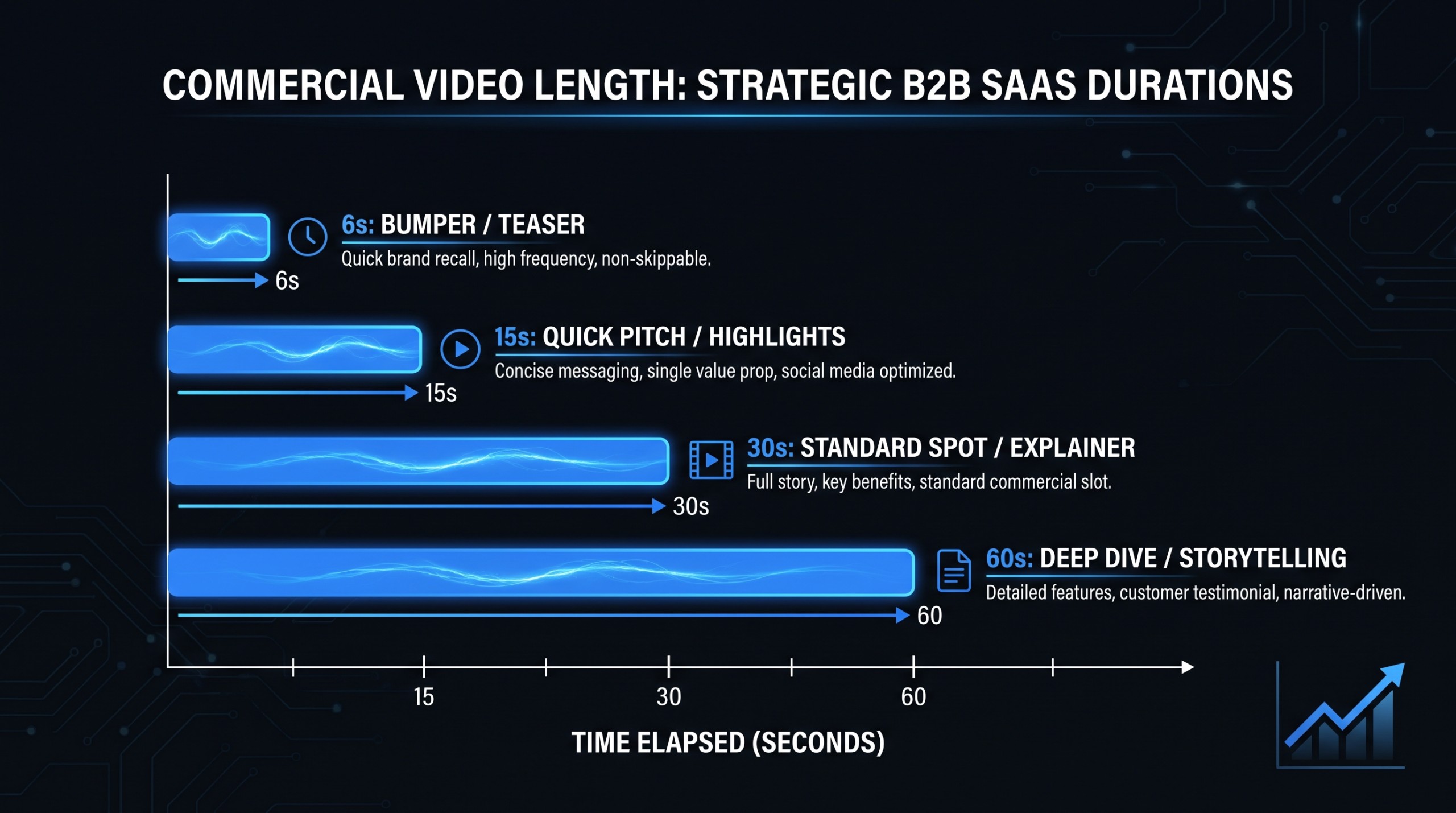
1. The Expert Take (60–90 seconds)
This is the bread and butter of LinkedIn video strategy for SaaS founders and marketing leaders. One person, one camera, one strong opinion. The format works because it feels native to LinkedIn — it's someone sharing professional expertise, which is exactly what the platform is designed for.
What makes it work:
- Strong hook in the first 3 seconds (a contrarian take, surprising stat, or bold claim)
- One clear point — not three, not five, just one
- Direct-to-camera delivery with high energy
- End with a question that invites comments
Example hook: "Every SaaS company is making the same LinkedIn mistake. They're posting product updates nobody cares about. Here's what to do instead."
2. The Screen-Share Breakdown (2–3 minutes)
Screen-share videos where you walk through data, a framework, or a real example perform exceptionally well for SaaS companies. They combine the personal trust of video with the tactical value of a tutorial.
Use cases:
- Walking through a dashboard or analytics view (with sensitive data obscured)
- Breaking down a competitor's landing page or ad strategy
- Showing a before/after of a campaign optimization
- Explaining a framework with a whiteboard tool
3. The Customer Story (90–120 seconds)
Social proof is the most powerful trust signal in B2B. A short, well-edited customer story — not a polished testimonial video, but a genuine conversation — can outperform weeks of content.
Key difference from traditional testimonials: These feel like conversations, not commercials. The customer speaks naturally about a problem they had, how they solved it, and what changed. No scripts, no corporate messaging.
4. The Team/Culture Clip (30–60 seconds)
SaaS companies are increasingly using LinkedIn video to attract talent and build brand affinity. Short clips showing team interactions, behind-the-scenes moments, or candid reflections on company values perform well — especially for employer branding.
5. The Data Visual / Insight Reel (15–45 seconds)
Short, punchy videos that visualize a single data point or insight. Think animated charts, stat callouts, or quick-cut compilations of key findings. These work well for repurposing research or report content into snackable video.
LinkedIn Video Engagement Benchmarks for B2B SaaS (2026)
One of the biggest challenges with LinkedIn video strategy is knowing whether your content is actually performing well. Most SaaS marketing teams don't have reliable benchmarks to compare against. Here's what we're seeing across our client base and industry data.
Key takeaways from these benchmarks:
- Short-form native video (<60 seconds) leads all formats with a 7.2% average engagement rate across B2B SaaS accounts.
- Any video format outperforms non-video content by roughly 2–3×.
- The gap between video and text is widening. In 2024, video outperformed text by about 1.5×. In 2026, it's closer to 3×.
- Carousel and document posts still perform well for educational content — consider using them as complementary formats to video.
What "Good" Looks Like: Performance Tiers
Here's how to benchmark your LinkedIn video performance as a B2B SaaS company:
- Below average: Less than 3% engagement rate, under 1,000 impressions per video
- Average: 3–5% engagement rate, 1,000–5,000 impressions per video
- Good: 5–8% engagement rate, 5,000–15,000 impressions per video
- Excellent: 8%+ engagement rate, 15,000+ impressions per video
If you're consistently below average, the issue is almost always one of three things: weak hooks, wrong format for your audience, or inconsistent posting cadence. We'll address all three below.
Building Your LinkedIn Video Strategy for B2B SaaS
Having the data is one thing. Turning it into a repeatable system is another. Here's the strategic framework we recommend for SaaS marketing teams building out their LinkedIn video strategy.
Step 1: Define Your Video Content Pillars
Every SaaS company should build their LinkedIn video strategy around 3–5 content pillars — recurring themes that align with your expertise and your buyer's pain points. Pillars create consistency, make planning easier, and help your audience know what to expect from you.
Example pillars for a B2B SaaS company:
- Industry insights: Trends, data, and predictions relevant to your market
- Problem-solution: Common challenges your ICP faces and frameworks to solve them
- Behind the product: Why you built certain features, product philosophy
- Customer wins: Stories and results from real customers
- Team & culture: Who you are, how you work, what you believe
Step 2: Choose Your Publishing Cadence
Consistency beats volume. Here's what we recommend based on team size:
- Solo founder / small team: 2 videos per week (1 expert take + 1 other format)
- Growth-stage team (3–5 people on content): 3–4 videos per week across multiple formats
- Enterprise / large team: Daily video content across multiple employee advocates
The key insight: it's better to post 2 high-quality videos per week for 6 months than to do a "video sprint" of daily content for 3 weeks and then burn out. LinkedIn rewards long-term consistency.
Step 3: Optimize for the LinkedIn Algorithm
Here are the tactical optimizations that make a measurable difference:
Hook engineering: The first 3 seconds determine everything. Your hook should create a knowledge gap, challenge an assumption, or promise a specific outcome. Test different hook styles and track completion rates.
Captions are mandatory. Not just for accessibility (which is reason enough) — 85% of LinkedIn video is watched with sound off. If you don't have captions, you're invisible to most viewers. Use large, high-contrast captions with a dark background strip.
Post timing: For B2B SaaS targeting North American audiences, Tuesday through Thursday between 8–10 AM and 12–1 PM consistently outperforms other time slots. For European audiences, shift earlier. The first 90 minutes of engagement velocity are critical.
Engagement prompts: End every video with a specific question or CTA that invites comments. "What do you think?" is too vague. "What's the #1 thing your team struggles with when it comes to [topic]?" is much better.
Text companion: Your post caption should complement the video, not repeat it. Use the caption to add context, provide a TLDR, or include a hot take that drives additional engagement.
Step 4: Build a Production Workflow That Scales
The biggest barrier to consistent LinkedIn video isn't strategy — it's production capacity. Most SaaS marketing teams don't have a videographer on staff, and asking the CEO to film 4 videos per week isn't sustainable.
Here's the production model that works:
- Batch record. Schedule one 2-hour recording session per month. Film 8–12 raw clips in a single sitting. This is dramatically more efficient than filming ad hoc.
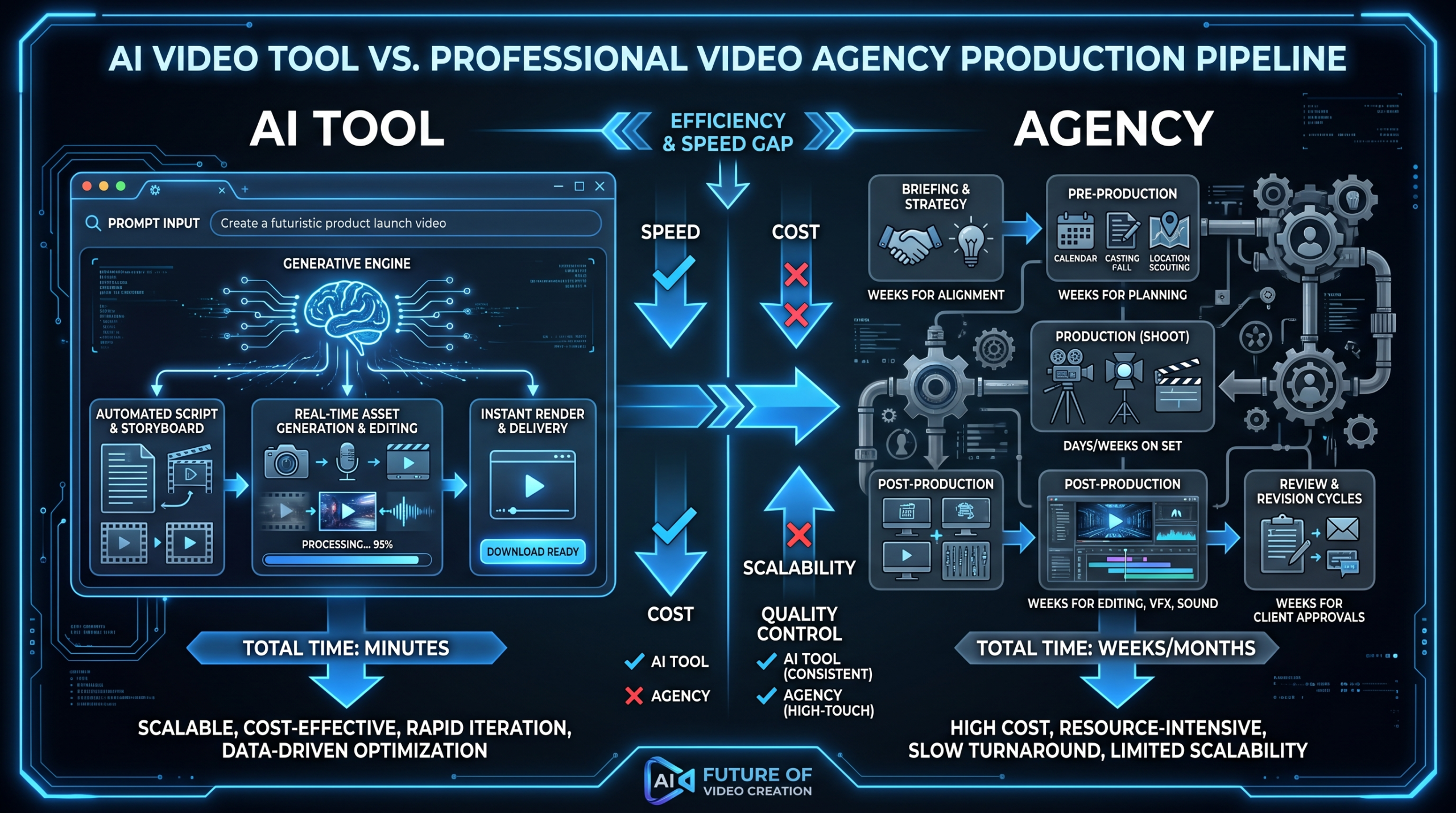
- Work with a dedicated editor. Raw footage needs professional editing — hooks need to be tight, captions added, pacing optimized, and B-roll layered in where appropriate. A dedicated video editing team can turn around multiple clips from a single recording session.
- Build a repurposing engine. Every long-form piece of content (webinar, podcast, presentation) should be mined for 3–5 short LinkedIn video clips. This is where having an editing partner pays for itself many times over.
- Create templates. Standardize your intro animations, caption styles, and end screens. This reduces editing time and creates brand consistency across all videos.
Content Frameworks That Drive Pipeline (Not Just Views)
Views and engagement are vanity metrics if they don't eventually drive pipeline. Here are the content frameworks that consistently connect LinkedIn video to revenue for B2B SaaS companies.
The "Contrarian POV" Framework
Take a commonly accepted best practice in your industry and argue against it. This works because LinkedIn's audience loves debate, and contrarian takes generate significantly more comments (and therefore more algorithmic distribution).
Formula: [Common belief] is wrong. Here's why. [Your contrarian take with supporting evidence]. [What to do instead].
Example: "Everyone tells SaaS companies to do free trials. I think that's the worst advice for most B2B companies. Here's what the data actually shows..."
The "Here's What I Learned" Framework
Share a specific lesson from your experience — the more recent and specific, the better. Vulnerability and honesty perform extremely well on LinkedIn.
Formula: [Specific thing that happened]. [What you expected vs. what actually happened]. [The lesson]. [How the audience can apply it].
The "Breakdown" Framework
Analyze something publicly visible — a company's strategy, a piece of marketing, a market trend — and share your professional assessment. Screen-share format works best here.
Formula: [Thing you're analyzing]. [Walk through 2–3 specific observations]. [What you'd do differently or what others can learn].
The "Before/After" Framework
Show a transformation. This could be a campaign performance improvement, a messaging overhaul, or a product evolution. Before/after content is visually compelling and easy to follow.
LinkedIn Video B2B SaaS: Vertical-Specific Strategies
Not all SaaS companies should approach LinkedIn video the same way. Your strategy should vary based on your buyer, your ACV, and your sales motion.
For PLG (Product-Led Growth) SaaS
If your SaaS company has a product-led motion with self-serve signups, your LinkedIn video strategy should focus on:
- Feature demos in context. Show the product solving a specific problem in 60 seconds or less. Don't do a full walkthrough — show one "aha moment."
- User-generated content. Encourage customers to create short clips of themselves using your product. Reshare and amplify.
- Tip-of-the-week series. Create a recurring series where you share one power-user tip per video. This drives activation for existing users and curiosity for prospects.
For Enterprise SaaS (High ACV, Long Sales Cycles)
Enterprise SaaS companies need LinkedIn video to serve a different purpose — building trust over long cycles and influencing buying committees.
- Executive thought leadership. Your C-suite should be on camera sharing industry perspectives. Enterprise buyers want to trust the people behind the product.
- Customer case studies. Longer-form (2–3 minute) customer stories that detail the evaluation process, implementation, and measurable results.
- Event and conference content. Clip keynotes, panel discussions, and booth interactions. Enterprise buyers attend (or follow) the same events — this creates a shared context.
For Vertical SaaS
Vertical SaaS companies serving specific industries (healthcare, fintech, construction, etc.) have a unique advantage on LinkedIn: their content can be hyper-relevant to a niche audience.
- Industry-specific pain points. The more specific you get, the better. "5 compliance mistakes healthcare SaaS companies make" will outperform generic content every time.
- Regulatory updates. Position your brand as the first to explain what new regulations mean for your vertical.
- Community building. Use LinkedIn video to interview other leaders in your vertical. This builds your network and creates collaborative content.
Production Quality: How Polished Should LinkedIn Video Be?
This is one of the most common questions we get from SaaS marketing teams, and the answer has nuance.
The short answer: More polished than a Zoom recording, less polished than a TV commercial.
The LinkedIn audience expects professional content, but they also expect authenticity. Over-produced video feels like an ad and gets scrolled past. Under-produced video feels unprofessional and hurts brand perception.
Here's the production quality sweet spot:
- Audio quality is non-negotiable. Bad audio is the #1 reason people stop watching. Use a decent external microphone (even a $50 lapel mic makes a huge difference).
- Good lighting matters. Natural light from a window or a simple ring light. Avoid harsh overhead lighting or dark rooms.
- Clean background. Home office, meeting room, or slightly blurred background. Nothing distracting.
- Professional editing. This is where the magic happens. Clean cuts, proper pacing, branded captions, subtle B-roll — these elements transform a good video into a great one. Working with a professional editing team is the highest-ROI production investment you can make.
- 1080p is sufficient. You don't need 4K for LinkedIn. Focus on content quality over resolution.
Vertical vs. Horizontal Video
LinkedIn supports both, but our recommendation for 2026:
- Square (1:1) or slightly vertical (4:5) for feed posts — maximizes screen real estate on mobile
- Horizontal (16:9) for LinkedIn Live or embedded video articles
- Vertical (9:16) for LinkedIn's short video feed (launched in late 2024, still growing)
If you can only produce one version, go with 1:1. It works well on both desktop and mobile.
Measuring LinkedIn Video ROI for B2B SaaS
The question every CMO asks: "How do we tie LinkedIn video to revenue?" It's a fair question, and it requires a multi-layered measurement approach.
Leading Indicators (Track Weekly)
- Engagement rate: (Reactions + Comments + Shares) / Impressions. Benchmark: 5%+ for good performance.
- Video completion rate: Available in LinkedIn analytics for video posts. Aim for 30%+ completion on videos over 60 seconds.
- Profile views: A spike in profile views after a video post indicates your content is driving curiosity.
- Follower growth rate: Track weekly net new followers as a directional metric for audience building.
- Comment quality: Not just quantity — are the right people commenting? Are decision-makers engaging?
Lagging Indicators (Track Monthly/Quarterly)
- LinkedIn-attributed website traffic: Use UTM parameters and track in your analytics platform.
- Inbound demo requests with LinkedIn touchpoints: Survey new leads with "Where did you hear about us?" and cross-reference with LinkedIn activity.
- Sales cycle influence: Ask your sales team if prospects mention LinkedIn content during calls. Track this anecdotally.
- Dark social attribution: Many prospects will find you through LinkedIn but arrive at your site through a direct search or typed URL. Self-reported attribution ("How did you hear about us?") captures this.
The Attribution Reality
Here's the truth that mature SaaS marketers already know: you will never perfectly attribute pipeline to a specific LinkedIn video. The buyer journey is too complex and too non-linear for that.
What you can do is build a body of evidence. When your LinkedIn video strategy is working, you'll see:
- Inbound leads mentioning your content
- Sales conversations that start warmer
- Shorter sales cycles
- Higher win rates on competitive deals
- More engaged website visitors from LinkedIn traffic
If you're seeing these signals, your video strategy is working — even if you can't draw a straight line from a specific video to a specific closed-won deal.
Common Mistakes to Avoid with LinkedIn Video B2B SaaS
After working with dozens of SaaS companies on their LinkedIn video programs, here are the mistakes we see most often:
- Starting with production, not strategy. Buying a camera and filming videos without a clear plan for who you're targeting, what you're saying, and how it connects to your business goals.
- Making it about your product. 80% of your LinkedIn video content should be about your audience's problems, not your product's features. Save product content for the 20%.
- Inconsistent posting. Posting 5 videos one week and then nothing for a month. The algorithm and your audience both reward consistency.
- Ignoring the hook. If you don't capture attention in the first 3 seconds, nothing else matters. Invest disproportionate time in your opening.
- Not engaging with comments. LinkedIn's algorithm uses your engagement in the comments as a signal. Reply to every comment within the first 2 hours.
- Repurposing without adapting. Taking a YouTube video and dumping it on LinkedIn without re-editing for the platform. LinkedIn has its own norms, pacing, and expectations.
- Only using one speaker. Build a roster of 3–5 people in your company who create video content. This reduces burnout and expands your reach across different networks.
The 2026 LinkedIn Video Tech Stack for SaaS Teams
You don't need a massive budget to produce great LinkedIn video. Here's the tech stack we recommend:
Recording
- Camera: iPhone 15/16 Pro (or equivalent Android). Modern smartphones shoot excellent video.
- Microphone: Rode Wireless GO II or DJI Mic 2 for talking-head content. A USB mic like Blue Yeti for desk recording.
- Lighting: Elgato Key Light or a simple window setup.
- Teleprompter (optional): BigVu or PromptSmart for scripted content.
Screen Recording
- Loom for quick screen captures
- OBS Studio for more controlled recording setups
- Riverside.fm for remote interview recording (separate audio/video tracks)
Editing
- For quick edits: Descript (AI-powered, text-based editing)
- For professional quality: A dedicated video editing service that understands B2B SaaS content and can handle volume
- For captions: Built into most editing tools now, but always review for accuracy
Analytics
- LinkedIn native analytics for post-level performance
- Shield or AuthoredUp for advanced LinkedIn analytics and benchmarking
- Your CRM for tracking LinkedIn-influenced pipeline
Building a Repeatable LinkedIn Video Calendar
The SaaS companies seeing the best results from LinkedIn video have systematized their content production. Here's a monthly calendar structure that works:
Week 1:
- Monday: Expert Take (industry trend or insight)
- Wednesday: Screen-share breakdown (tactical how-to)
- Friday: Data insight reel (stat or benchmark)
Week 2:
- Monday: Expert Take (contrarian POV)
- Wednesday: Customer story clip
- Friday: Expert Take (lesson learned)
Week 3:
- Monday: Screen-share breakdown (competitive analysis or framework)
- Wednesday: Team/culture clip
- Friday: Expert Take (prediction or forward-looking take)
Week 4:
- Monday: Expert Take (recap or "top 3 from the month")
- Wednesday: Customer story or data reel
- Friday: Screen-share breakdown (tool or process walkthrough)
This gives you 12 pieces of video content per month, covering all five formats and all content pillars. The batch recording session at the start of each month produces enough raw material for the editing team to work with.
📅 Get the SaaS Video Calendar Template
Download our ready-to-use video content calendar built specifically for B2B SaaS teams on LinkedIn. Includes content pillars, posting schedule, and tracking metrics.
Download Free Template See PricingLinkedIn Video for B2B SaaS: What's Coming Next
Looking ahead to the rest of 2026 and beyond, here are the trends we're watching:
- LinkedIn's short video feed will grow. LinkedIn is investing heavily in TikTok-style vertical video. Early adopters will benefit from low competition and algorithmic boosts.
- AI-generated video will improve but won't replace human-led content. Authenticity and personal brand will become more valuable as AI-generated content floods the platform. See our guide on AI video editing for B2B teams.
- Employee advocacy programs will scale. The companies winning on LinkedIn won't rely on a single executive — they'll have 10–20 employees creating video content through structured advocacy programs.
- Video SEO on LinkedIn will emerge. As LinkedIn's search improves, optimizing video captions, descriptions, and hashtags for discoverability will matter more.
- Interactive video features. LinkedIn is testing polls within video and clickable CTAs. These features will create new engagement opportunities for SaaS marketers.
Ready to run paid LinkedIn video alongside your organic strategy? See our full roundup of real LinkedIn video ad examples — including specs, creative breakdowns, and production cost ranges for each format.
Frequently Asked Questions
What's the ideal length for LinkedIn video in B2B SaaS?
For most formats, 60–90 seconds is the sweet spot. Short enough to hold attention, long enough to deliver value. Screen-share breakdowns can go up to 3 minutes. LinkedIn's data shows completion rates drop significantly after 90 seconds for non-tutorial content.
Should our CEO be the one on camera?
Your CEO should be one of several people on camera. Founder-led content performs extremely well for building trust and authority, especially at early-stage companies. But relying solely on one person creates a bottleneck and a single point of failure. Build a roster of 3–5 video creators across your team.
How much should we budget for LinkedIn video production?
A reasonable starting budget for a SaaS company is $2,000–5,000/month for editing and post-production, assuming you're recording in-house. This covers professional editing of 8–12 videos per month, captions, graphics, and format optimization. The recording equipment investment is a one-time cost of $500–1,000.
Does LinkedIn video work for companies with small followings?
Yes. LinkedIn's algorithm distributes content based on engagement signals, not follower count. We've seen accounts with 500 followers generate 50,000+ impressions on a single video because the content resonated. Focus on content quality and engagement, not audience size.
How do we get started if we've never done LinkedIn video?
Start simple. Record 4 expert take videos on your phone, get them professionally edited with captions, and post one per week for a month. Track performance, learn what resonates, and iterate. Don't try to launch with a full content calendar — build momentum gradually.
Should we post video from our company page or personal profiles?
Both, but prioritize personal profiles. LinkedIn's algorithm gives significantly more organic reach to personal content than company page content. Use employee advocates to post from their profiles, and reshare to the company page for your followers there.
How long before we see results from LinkedIn video?
Expect 2–3 months of consistent posting before you see meaningful traction in engagement metrics, and 4–6 months before you see pipeline influence. LinkedIn is a long game. The companies that commit to 6+ months of consistent video always outperform those looking for quick wins.
Final Thoughts: LinkedIn Video Is the B2B SaaS Growth Lever of 2026
LinkedIn video for B2B SaaS isn't a trend — it's a fundamental shift in how SaaS companies build trust, generate demand, and close deals. The companies investing in video now are building a compounding advantage that will be nearly impossible for competitors to replicate quickly.
The playbook is clear: choose your formats, define your content pillars, batch your recording, partner with a professional editing team, and commit to consistency. The companies that do this well will dominate their categories on LinkedIn in 2026 and beyond.
If you're ready to build a LinkedIn video engine for your SaaS company but need help turning raw footage into polished, high-performing content, let's talk about how we can help.
Ready to Scale Your LinkedIn Video Strategy?
Our team specializes in editing B2B SaaS video content for LinkedIn. Fast turnarounds, platform-native formatting, and a team that understands your audience.
Book a Free Strategy Call Get the Video Calendar